
Ngorongoro Crater

Ngorongoro Overview
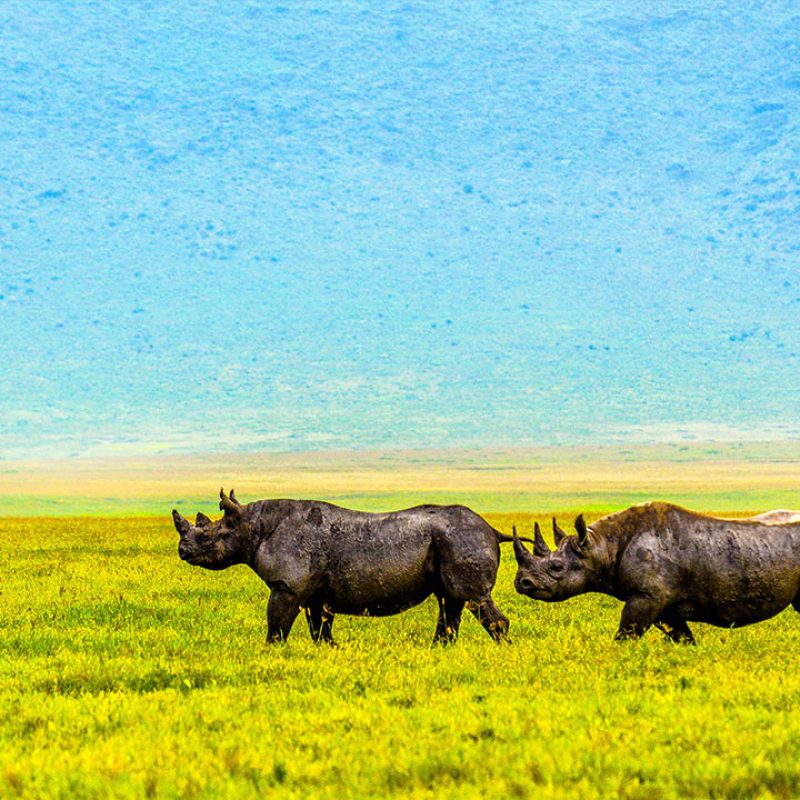
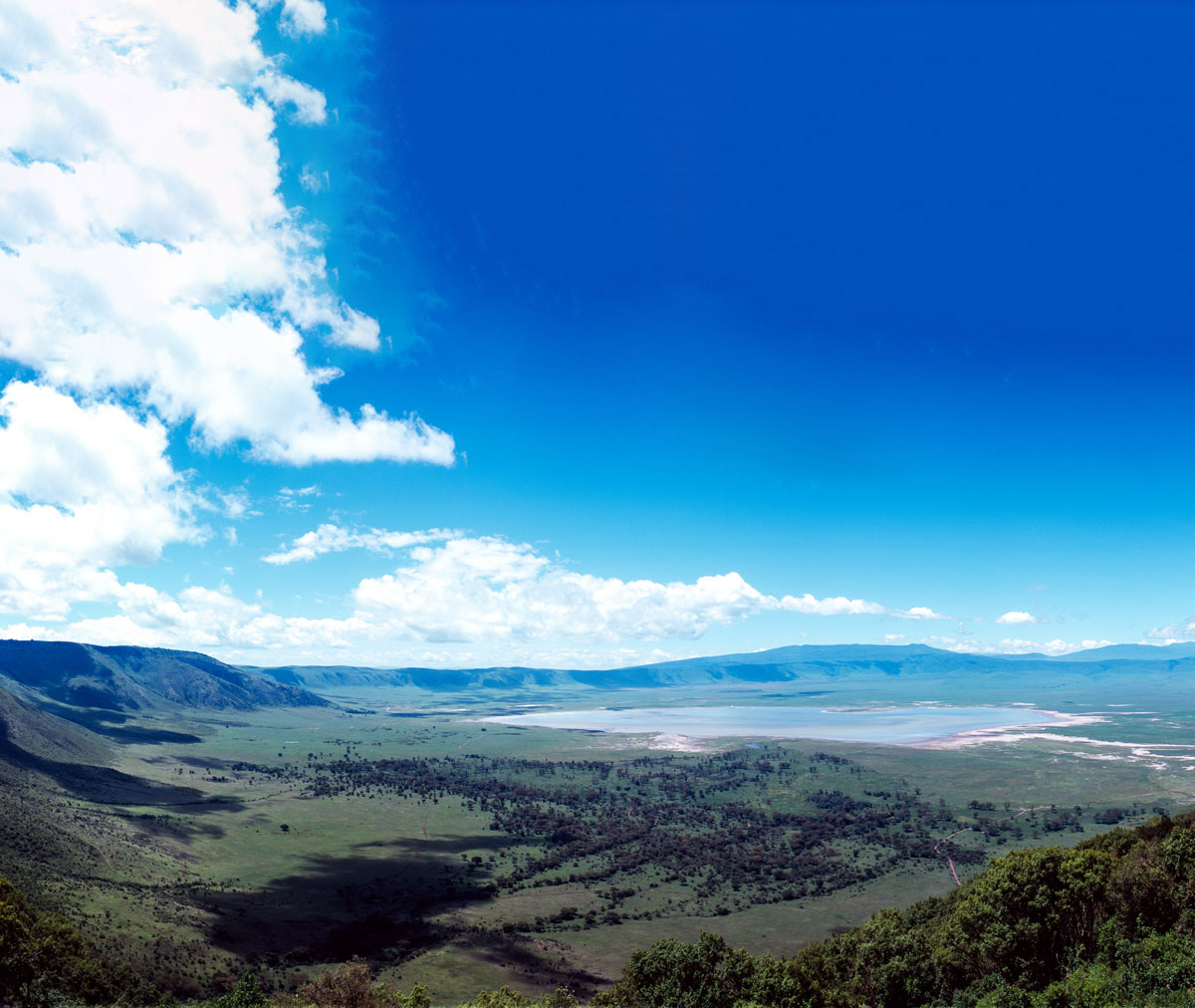
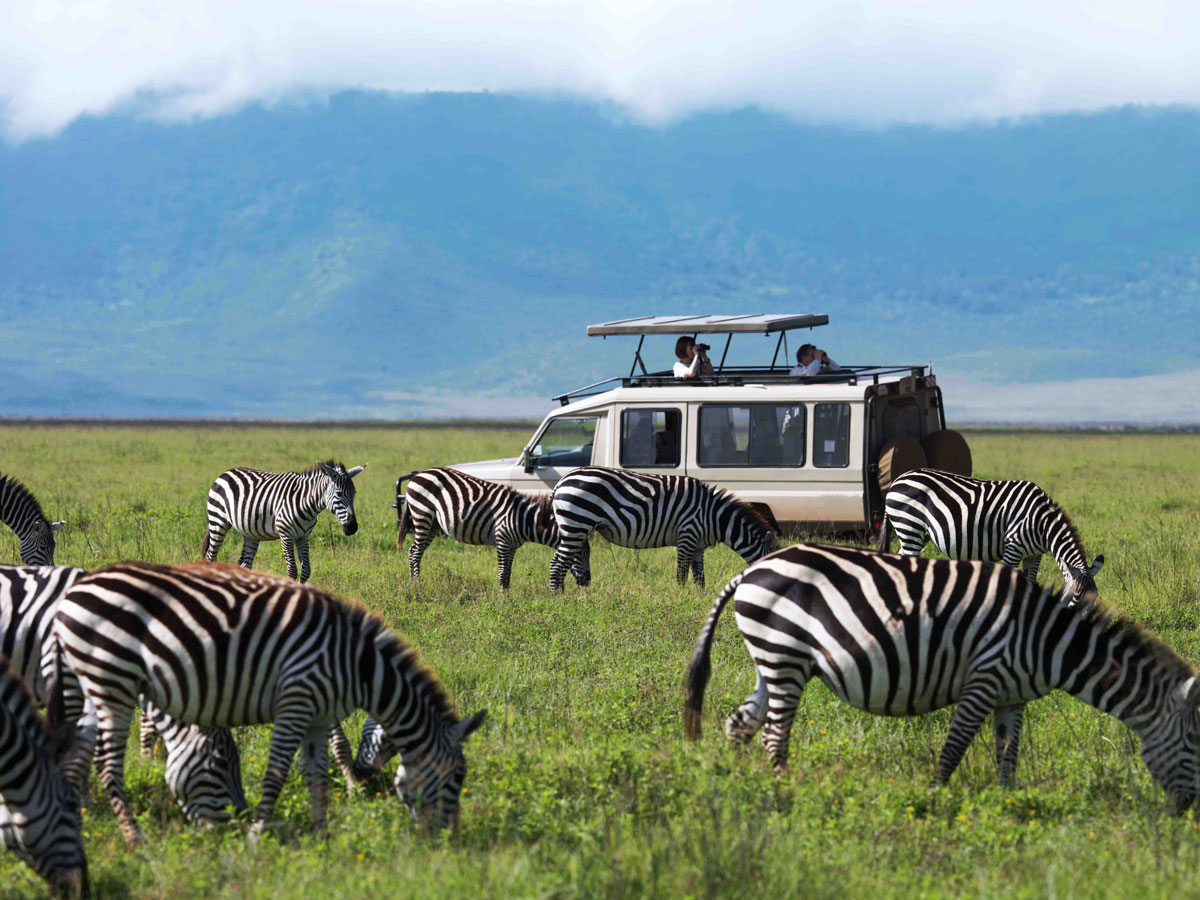
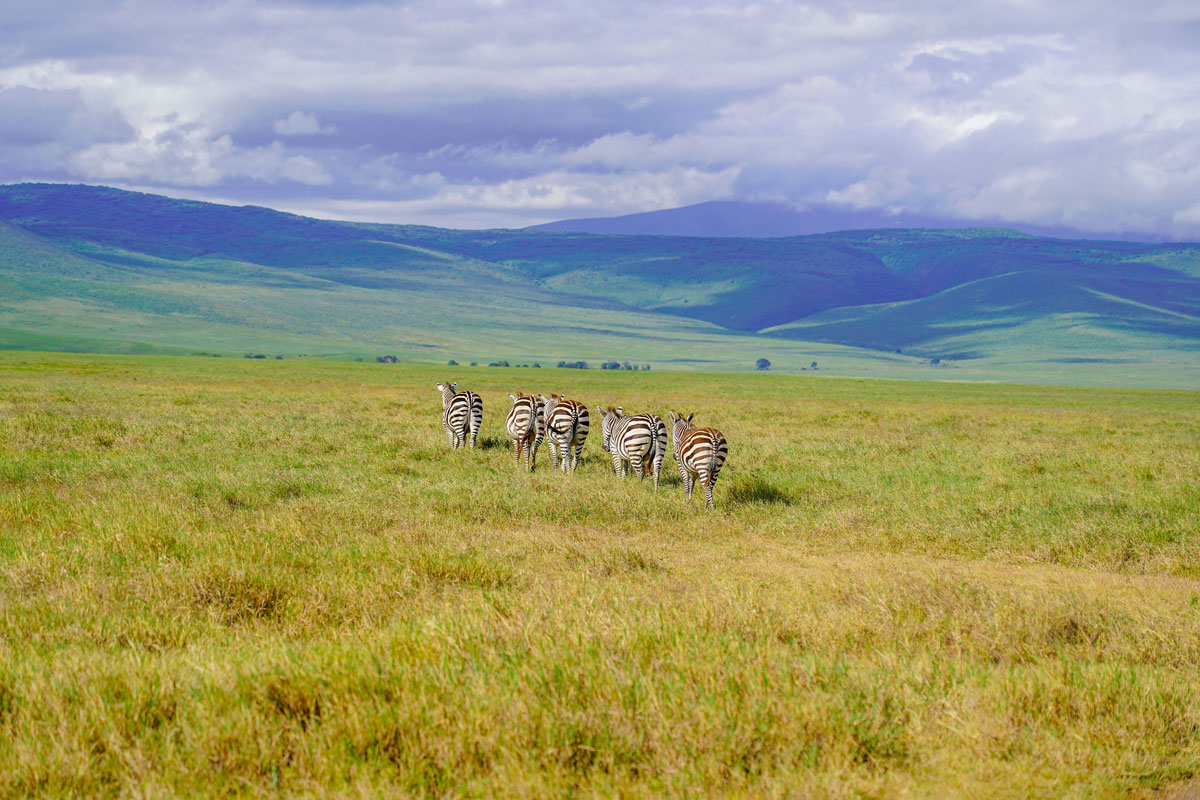
Step into the heart of one of the most extraordinary natural wonders on Earth— the Ngorongoro Crater. This UNESCO World Heritage Site, often hailed as the “Eighth Wonder of the World,” is a vast caldera formed millions of years ago by a collapsed volcano. Spanning over 260 square kilometers, the crater is a thriving wildlife sanctuary that offers an unparalleled opportunity to witness the circle of life in action. Home to an incredible variety of species, including lions, elephants, zebras, and the elusive black rhino, Ngorongoro’s diverse ecosystems support a dense population of animals that is unrivaled in the world. The sheer density and accessibility of the wildlife make it an exceptional destination for nature enthusiasts and photographers alike.
The landscape within the Ngorongoro Crater is as diverse as its inhabitants. From grassy plains and acacia woodlands to swamps and forested areas, the crater’s unique topography creates a multitude of microhabitats that sustain different species year-round. The rich biodiversity and the stunning backdrop of towering crater walls offer visitors an immersive experience into one of Africa’s most iconic wildlife havens. As you explore this natural paradise, you will encounter not only large herbivores grazing but also predators on the prowl, all within the safety of the caldera’s natural enclosure. The Ngorongoro Crater is a testament to the resilience of nature and one of the most awe-inspiring places to experience wildlife in its most authentic form.